
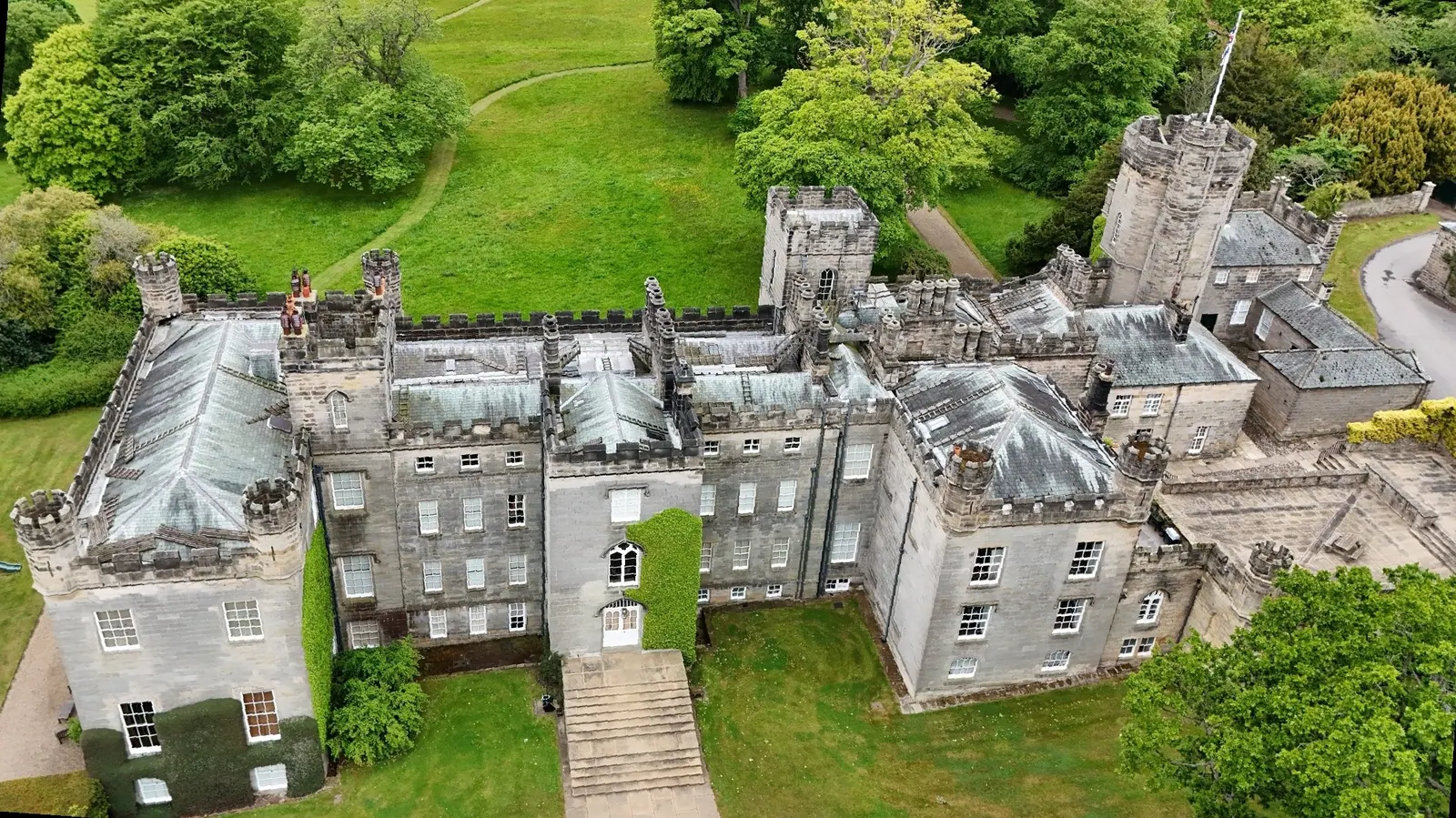
Walker Wood supports owners, landlords, tenants, developers and trustees with surveys and reports for Listed and historic buildings and other heritage assets. Our approach is evidence-led and proportionate, helping you understand significance, manage risk, and progress consents and investment decisions with confidence.
Listed Building Consent applications
We advise on whether proposed works are likely to need Listed Building Consent (LBC) and can act as your agent through the application process, coordinating drawings and supporting information so submissions are complete and consistent.
LBC applications typically require clear plans and supporting documents that explain what is proposed and why, particularly where works affect significance.
Heritage Statements
A Heritage Statement explains what heritage assets are affected, what is significant about them, and how proposals may affect that significance. National policy expects applicants to describe significance, including setting, with a level of detail proportionate to the asset's importance.
We prepare Heritage Statements using Historic England's staged approach to decision-making so the assessment is clear, transparent and robust for validation and determination.
Heritage Impact Assessments
A Heritage Impact Assessment (HIA) is often appropriate where effects are complex, wider-reaching, or closely related to setting and views. The aim is to clearly evidence and explain the likely impacts, so risks and mitigation can be understood early.
Where setting is a key issue, we draw on Historic England guidance so the assessment explains how setting contributes to significance, and how proposals may change that contribution.
Conservation Management Plans
A Conservation Management Plan (CMP) provides a long-term framework for looking after a heritage place. It brings together an understanding of significance with practical conservation policies and an action plan, helping guide repair, change and investment decisions over time.
CMPs are widely used for stewardship, governance and funding. The National Lottery Heritage Fund's conservation planning guidance explains how conservation plans are structured and used to support long-term care.
Building surveys for historic and Listed buildings
We undertake building condition surveys tailored to historic and Listed buildings, identifying defects, risks, priorities for repair and maintenance, and appropriate next steps. Advice is framed around the building type and significance, so recommendations remain practical and conservation-aware.
For traditional buildings, especially where moisture is part of the brief, we follow recognised principles and competencies set out in joint guidance for investigating moisture in traditional buildings.
Quinquennial surveys
We provide Quinquennial Inspections and reports where instructed, commonly for churches and other heritage assets that require periodic condition inspection. A quinquennial is a thorough inspection of the building fabric, recording condition and setting out priorities and a forward plan for repair and maintenance.
These inspections are often integral to long-term upkeep planning and governance for custodians of significant buildings.
Dilapidations surveys on Listed buildings
We advise landlords and tenants on dilapidations involving Listed buildings, where repair obligations, appropriate methods, and consent constraints need to be understood together. This can include schedules, responses, negotiation support, and strategy for lease events.
Our dilapidations work follows the RICS professional standard, including key documents such as Schedules of Dilapidations, Quantified Demands, Responses and Scott Schedules, as relevant to the instruction.
Cost plans for conservation deficit
Where a heritage asset's repair and conversion costs exceed its end value, a conservation deficit may arise. Historic England guidance defines conservation deficit in the context of enabling development and explains how it can underpin an evidence base for cross-subsidy where appropriate.
We prepare cost plans and supporting schedules to evidence repair and conservation needs, inform viability discussions, and support funding strategies or enabling development appraisals where relevant to the project.
Maintenance plans and lifecycle costings up to 100 years
We prepare maintenance plans for older buildings that set out planned inspections, routine tasks, and triggered actions, with responsibilities and frequencies tailored to the building's form, exposure, and use. Historic England highlights that maintenance plans should be proportionate and, for larger or complex buildings, may sit within a wider asset management plan.
Where clients need a longer horizon, we can produce lifecycle maintenance plans up to 100 years, supported by specialist heritage costings and assumptions suited to traditional materials and conservation-led repair approaches. For Lottery and grant-funded projects, this aligns well with management and maintenance expectations, including clarity on what work is needed, when it is needed, and what it will cost.
Condition reports for Lottery or grant funding applications
We prepare condition reports and surveys that provide an evidence base for funding bids, setting out condition, risks, priorities, and the rationale for proposed works. The National Lottery Heritage Fund notes that, before preparing a management and maintenance plan, you will need to consult a condition survey or report on your heritage, such as a building survey.
Where required, we can also help shape the supporting package funders often expect at development stage, for example a cost plan and drawings at an early stage, alongside the condition evidence.
Grant drawdown sign-off and monitoring
Where instructed, we can support grant drawdowns by providing progress inspections and reports aligned to the grant conditions, helping demonstrate that works are progressing appropriately and expenditure is properly evidenced. The National Lottery Heritage Fund pays grants against payment requests supported by required documentation and evidence of spend, so clear reporting and records are important.
We can also provide completion stage inspections and documentation support, noting that funders may hold a final percentage until they are satisfied the project is complete and the required completion information has been provided.
If you would like to discuss your heritage project requirements, please contact us.
Case study
Aldi Blackpool
Demolition of an existing building to construct a new Aldi store
For Aldi in Blackpool, Walker Wood Limited completed a Level One Schedule of Condition and Photographic Record of a Listed façade before it was dismantled.
Read the case studyFrequently asked questions
Do I need planning permission, Listed Building Consent, or both?
It depends on the proposals and the designation. Some works may require planning permission, some may require Listed Building Consent, and some may require both. We can advise on the likely consent route and what supporting documents are typically expected.
What is the difference between a Heritage Statement and a Heritage Impact Assessment?
A Heritage Statement describes significance and assesses impact in a proportionate way for the application. An HIA is often used where the assessment needs to be more detailed, particularly around setting, views and wider effects, using a clear methodology.
What is a Conservation Management Plan used for?
A CMP provides an agreed framework for managing a heritage place, linking significance to conservation policies and an action plan. It is commonly used to guide decision-making and support funding or long-term asset planning.
Do grant funders require a condition survey or condition report?
Often, yes. The National Lottery Heritage Fund's management and maintenance guidance notes that you will need to consult a condition survey or report on your heritage before preparing a management and maintenance plan.
Can you produce long-term maintenance plans and lifecycle forecasts?
Yes. We can prepare maintenance plans and longer-term lifecycle forecasts, including up to 100 years where the brief justifies it, with heritage-appropriate assumptions and costings.
Can you help with grant drawdowns and monitoring?
Yes, where instructed. We can inspect and report at agreed stages to support payment requests and provide robust progress records, aligned to the funder's evidence requirements.