
Building pathology investigations for commercial property
A Building Defect Analysis Survey, sometimes described as a defect diagnosis survey, building pathology survey, or specific defect report, is a targeted investigation to identify the cause, extent, and implications of a defect, and to set out practical remedial options and likely costs.
Walker Wood Building Surveyors use our experience of the construction of commercial buildings, including historic and Listed properties, to diagnose defects and provide clear, evidence-based advice on remediation and risk management.
Common defects we investigate
Instructions are often focused on one issue or a small number of related issues, for example:
- Water ingress, damp and condensation issues
- Mould risk and ventilation-related problems
- Cracking, movement, and building fabric distortion
- Roof defects and recurring leaks
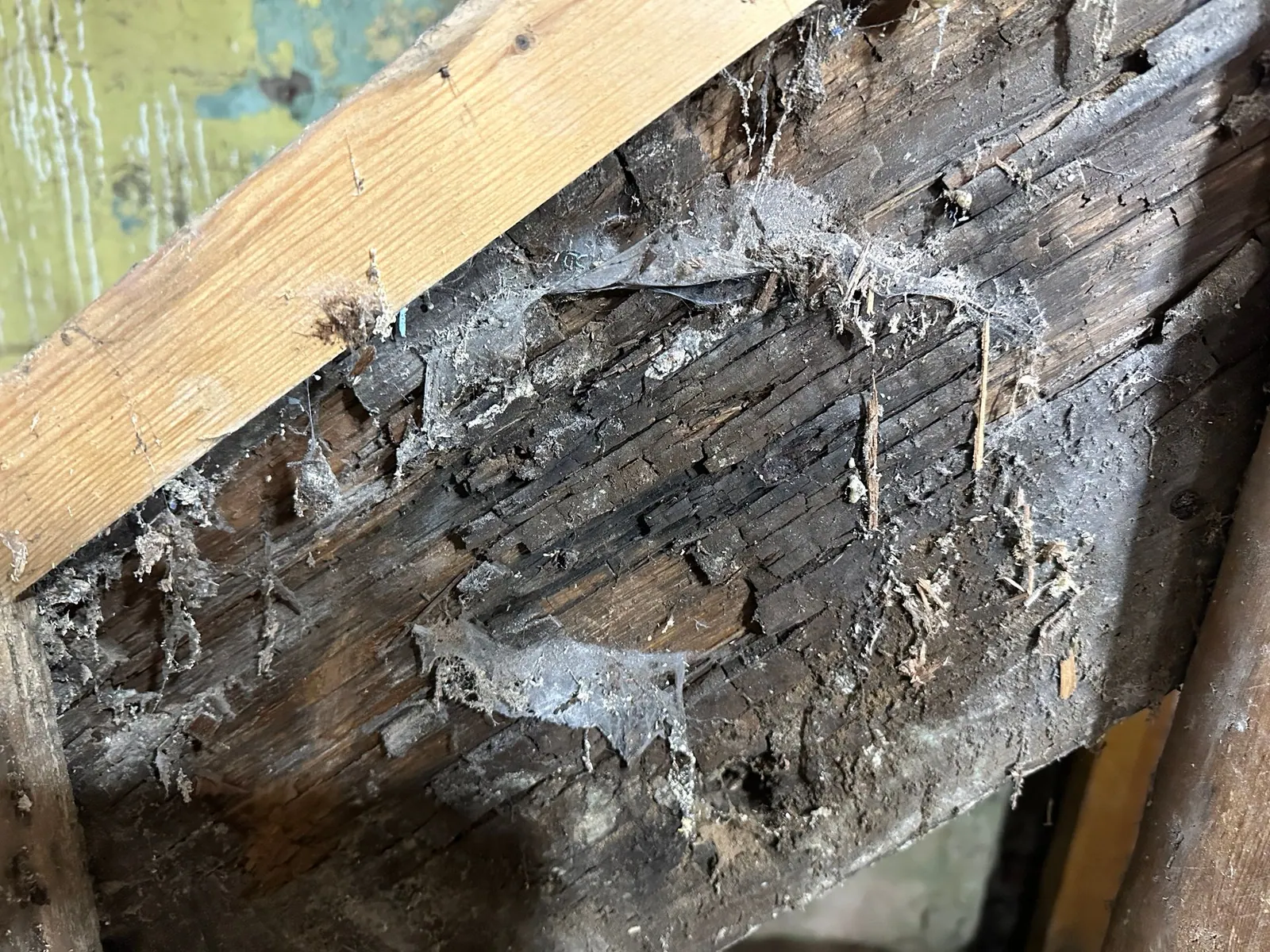
- Timber decay and infestation risks
- Masonry, render and façade deterioration
Why defect analysis matters
Defect symptoms are not always obvious to an owner or occupier, and the full extent of a problem can be concealed within the fabric. In many cases, issues only become clear when further investigations are undertaken or when other works expose hidden construction defects. A structured investigation helps avoid misdiagnosis and unnecessary or ineffective repairs.
The Walker Wood approach
Our team comprises independent RICS Chartered and Associate Building Surveyors with specialist knowledge of building defects. We start by understanding the background of the building and the defect history, then undertake a thorough inspection of the affected area, and where appropriate the wider property.
Depending on the defect and your brief, an investigation may include non-intrusive inspection and, where agreed, recommendations for targeted further investigation, monitoring, or specialist input. For traditional and historic buildings, a whole-building approach is essential, particularly where moisture is involved, so that the true source is identified and advice is proportionate and appropriate to the building type.
What you receive
We provide a detailed report in clear, jargon-free English, tailored to the instruction. It typically includes:
- Findings and diagnosis, including likely cause and contributory factors
- Commentary on risks, likely progression, and any urgency
- Recommended remedial options, with priorities
- Budget costs for remedial works where requested
- Recommendations for further investigations where appropriate
Where helpful, we can also support the next steps, such as preparing a scope of repairs, advising on procurement, and assisting through delivery using our wider building surveying and contract administration services.
Case study
5 and 6 The Square, Buxton
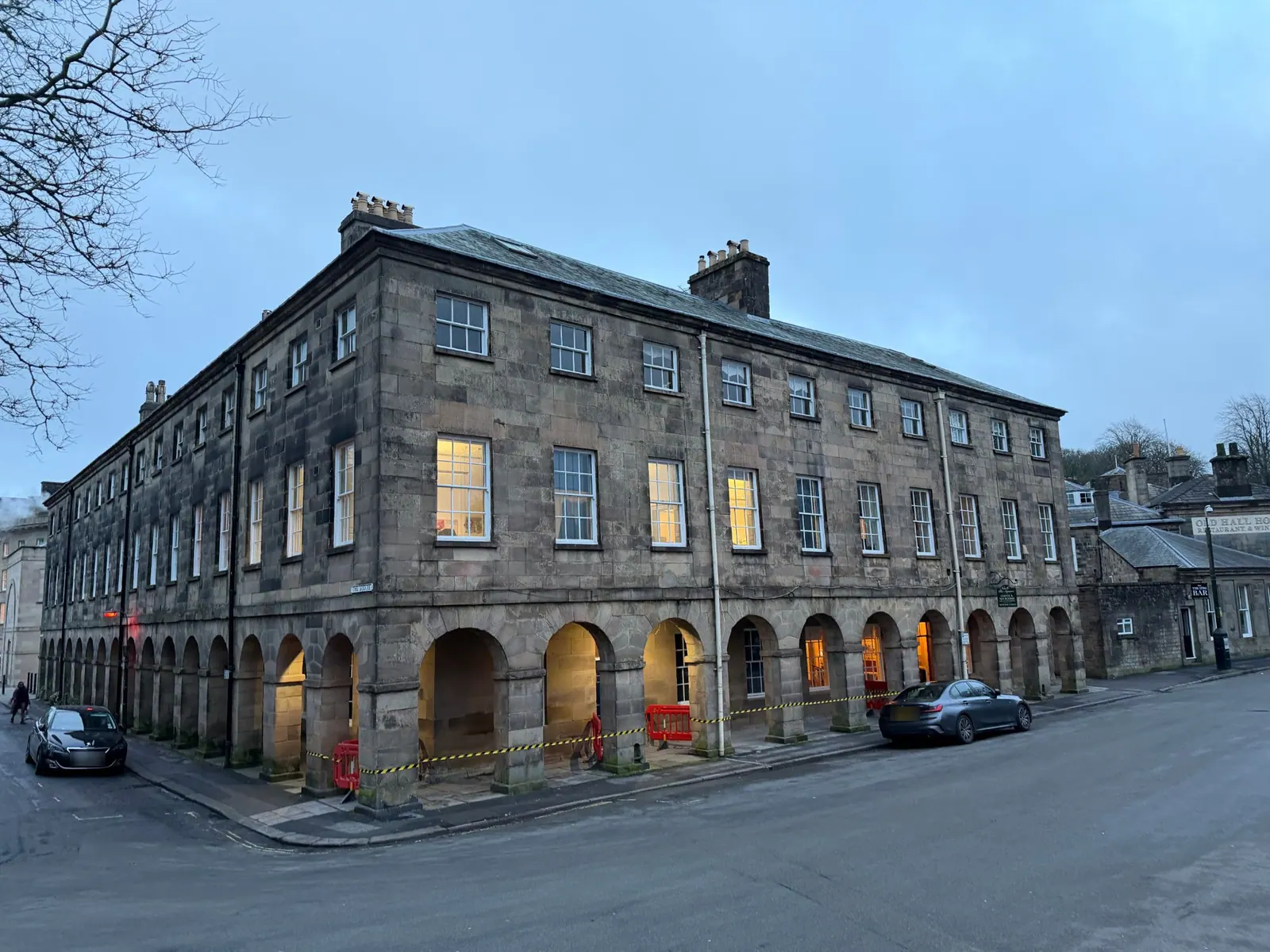
Conservation-led structural and fabric repairs to a Grade II* listed Georgian terrace in Buxton: survey, Listed Building Consent, tender and contract administration.
Read the case studyFrequently asked questions
What is a building defect analysis or defect diagnosis survey?
It is a targeted investigation to identify the cause and extent of a defect and to set out practical remedial options. It is often referred to as building pathology or a specific defect report.
Can you include likely repair costs?
Yes. We can provide budget costs for recommended remedial works where requested, so you can plan expenditure and compare options.
Do you work on historic and Listed buildings?
Yes. We have experience diagnosing defects in historic and Listed buildings.